

JOHSK Editorial Board Members
JOHSK Editorial Board Members
In the editorial process of the Journal of Health, Sports, and Kinesiology (JOHSK), various positions and roles are essential to ensuring the efficient management and successful publication of high-quality scholarly work. The following is an overview of key editorial positions and their respective responsibilities (Drafted on February 18, 2025)
Co-Editor-in-Chief
Associate Editors
Section Editors
Editorial Board Members
Guest Editors
Peer Reviewers
Future Professional Peer Reviewers
Advisory Board Members
Social Media & Marketing Directors

JOHSK Editorial Board Members:
Roles & Responsibilities
Journal Editorial Board Members play a critical role in maintaining the academic integrity, scholarly quality, and ethical standards of the Journal of Health, Sports, & Kinesiology (JOHSK). Board members serve as ambassadors of the journal and contribute to its mission of advancing research, scholarship, and professional practice in health, sports, and kinesiology.
1. Editorial Oversight and Scholarly Quality: Editorial Board Members support the Editor-in-Chief and Associate Editors in ensuring that all manuscripts meet the journal’s academic standards. This includes evaluating the scholarly merit, originality, methodological rigor, and relevance of submissions within their areas of expertise.
2. Peer-Review Responsibilities: Editorial Board Members are expected to:
Serve as peer reviewers when requested, providing timely, constructive, and unbiased reviews.
Recommend qualified external reviewers with appropriate expertise when necessary.
Assist in resolving conflicting reviewer feedback and advising editors on editorial decisions.
3. Ethical Standards and Compliance: Board Members must uphold the highest ethical standards in scholarly publishing by:
Following JOHSK policies, including those related to conflicts of interest, plagiarism, authorship, and responsible use of AI-assisted tools.
Maintaining confidentiality throughout the review and editorial process.
Reporting any ethical concerns or irregularities to the Editor-in-Chief.
4. Editorial Advising and Policy Development: Editorial Board Members provide guidance on:
Journal policies, scope, and strategic direction.
Emerging research trends and priority topics in health, sports, and kinesiology.
Special issues, themed sections, or invited manuscripts.
5. Promotion and Visibility of the Journal: Board Members are encouraged to:
Promote JOHSK within their professional networks, institutions, and academic communities.
Encourage high-quality manuscript submissions.
Support dissemination of published articles through conferences, academic platforms, and social media, in alignment with IOHSK outreach efforts.
6. Professional Conduct and Service Commitment: Editorial Board Members are expected to:
Serve their term with professionalism, integrity, and active engagement.
Respond to editorial communications in a timely manner.
Participate in editorial meetings, consultations, or special assignments as needed.
7. Term and Appointment: Editorial Board Members are appointed by the (Co)-Editor-in-Chief in consultation with IOHSK leadership. Appointments are typically for two (2) years term and may be renewed based on service, contributions, and ongoing engagement with the journal.
-
Oversees the entire editorial process and the journal’s strategic direction.
Makes final decisions on manuscript acceptance or rejection.
Represents the journal in the academic community.
Ensures the journal maintains high academic standards and integrity.
Edits accepted manuscripts for clarity, grammar, style, and consistency.
Ensures adherence to the journal’s formatting and style guidelines.
Manages the journal’s online submission system and website.
Ensures the digital infrastructure supports submission, review, and publication processes.
Provides technical support to authors, reviewers, and editors.
Handles the day-to-day operations of the journal.
Manages submission workflows, communication with authors, reviewers, and editorial board members.
Oversees the production process, including copyediting, proofreading, and publication timelines.
Oversees the production of manuscripts from acceptance to publication.
Ensures the final publication meets technical and aesthetic standards.
-
Assists in the review process by managing manuscripts in specific subject areas.
Assigns manuscripts to reviewers and evaluates their feedback.
Recommends decisions (accept, revise, or reject) to the Co-Editor-in-Chief.
Provides expertise in their field of research to maintain the journal’s quality.
Provides technical support to authors, reviewers, and editors.
Communicates with authors for language and structural improvements.
Coordinates typesetting, formatting, and final proofreading.
Associate Editors may concurrently serve as Section Editors as needed.
-
Manages specific sections or categories within the journal (e.g., Research Articles, Reviews, Case Studies).
Handles the peer review process for submissions within their section.
Ensures content relevance and quality for their section.
-
Serve as subject matter experts providing guidance on manuscript quality.
May be asked to review manuscripts within their expertise.
Promote the journal within the academic community.
Advise on journal policies, scope, and direction.
-
Oversees special issues or thematic collections.
Solicits contributions and manages the review process for the special issue.
Works temporarily with the editorial team for a specific project or theme.
-
Provide critical evaluation of submitted manuscripts.
Offer constructive feedback to authors for manuscript improvement.
Recommend acceptance, revision, or rejection of manuscripts.
Maintain confidentiality and uphold academic integrity.
-
Primarily review manuscripts submitted by undergraduate and master's students – Valuable practice and experience for professional & career development.
Provide critical evaluation of submitted manuscripts.
Offer constructive feedback to authors for manuscript improvement.
Recommend acceptance, revision, or rejection of manuscripts.
Maintain confidentiality and uphold academic integrity.
-
Provide strategic advice on the journal’s development and policies.
May suggest topics, special issues, or improvements.
Support the journal’s reputation and outreach.
-
Promotes published content through social media, newsletters, and other platforms.
Engages with the academic community to increase journal visibility.
Develops marketing strategies to attract submissions and readership.
-
In the editorial process of the Journal of Health, Sports, and Kinesiology (JOHSK), various positions and roles are essential to ensuring the efficient management and successful publication of high-quality scholarly work. The following is an overview of key editorial positions and their respective responsibilities: Drafted on February 18, 2025
Editorial Board Members:
A comprehensive 33-Checkpoint Reviewer Checklist
Below is a comprehensive 33-checkpoint manuscript review checklist established by JOHSK, an official journal of the International Organization for Health, Sports, and Kinesiology. The checklist aligns with APA-style expectations (https://apastyle.apa.org/), research ethics, and interdisciplinary standards in health, sports, and kinesiology.
Manuscript Review Checklist (33 Checkpoints)
A. Overall Quality and Relevance
1. The topic is relevant to the journal’s scope and readership.
2. The manuscript makes a clear and meaningful contribution to the field.
3. The purpose and objectives of the study are clearly stated.
4. The research questions or hypotheses are clearly articulated and justified.
5. The manuscript demonstrates originality and scholarly significance.
B. Title, Abstract, and Keywords
6. The title accurately reflects the content and scope of the manuscript.
7. The abstract clearly summarizes the purpose, methods, results, and conclusions.
8. Keywords are appropriate, specific, and aligned with the manuscript content.
C. Literature Review and Theoretical Framework
9. The literature review is current, relevant, and sufficiently comprehensive.
10. Key theories, models, or conceptual frameworks are clearly explained.
11. The study is clearly situated within existing research.
12. Gaps in the literature are clearly identified and justified.
D. Methodology
13. The research design is appropriate for the research questions.
14. Participants/sample characteristics are clearly described.
15. Sampling procedures and inclusion/exclusion criteria are appropriate.
16. Instruments and measures are valid, reliable, and well described.
17. Procedures are clearly explained and replicable.
18. Ethical approval and informed consent are addressed where applicable.
E. Data Analysis
19. Data analysis methods are appropriate and correctly applied.
20. Statistical or qualitative analyses are clearly described and justified.
21. Assumptions for statistical tests are met or addressed.
22. Effect sizes, confidence intervals, or credibility strategies are reported when appropriate.
F. Results
23. Results are clearly presented and logically organized.
24. Tables and figures are accurate, necessary, and properly labeled.
25. Results directly address the research questions or hypotheses.
26. Findings are reported without interpretation or speculation in the results section.
G. Discussion and Interpretation
27. Findings are accurately interpreted and aligned with the results.
28. Results are discussed in relation to prior research and theory.
29. Practical, theoretical, or pedagogical implications are clearly explained.
30. Limitations of the study are acknowledged and appropriately discussed.
31. Suggestions for future research are reasonable and relevant.
H. Writing Quality, Style, and Formatting
32. The manuscript is clearly written, well organized, and follows APA style and journal guidelines.
I. Ethical Integrity and Transparency
33. The manuscript demonstrates ethical integrity, including appropriate authorship, citation practices, disclosure of conflicts of interest, and transparency regarding AI-assisted tools if used.
2026-2028 JOHSK Editorial Board
-

Dr. Thomas L. McKenzie
Journal Advisory Board Member
San Diego State University, U.S.A. -

Dr. Hans van der Mars
Journal Advisory Board Member
Arizona State University, U.S.A. -

Dr. Timothy Baghurst
Journal Advisory Board Member
Florida State University, U.S.A. -
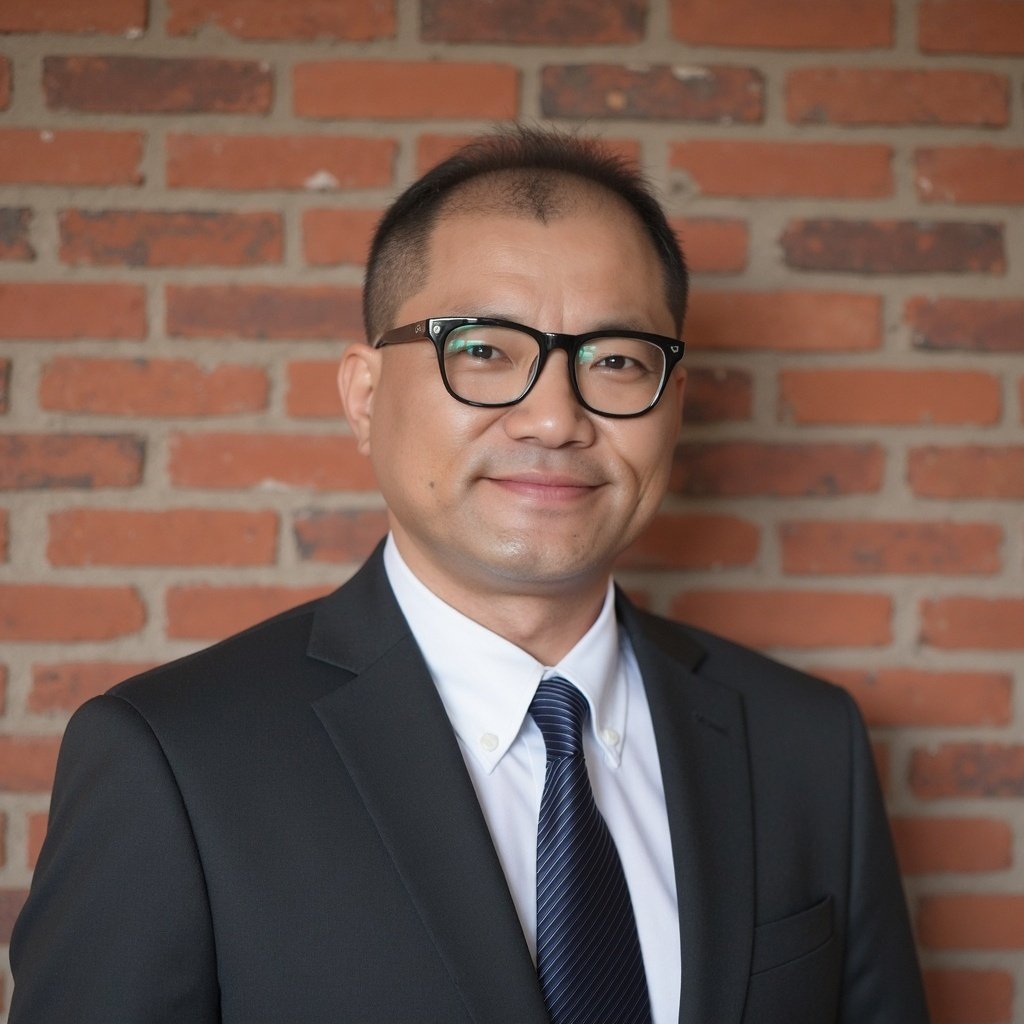
Dr. Hosung So
Co-Editor-in-Chief for Publication
California State University, San Bernardino, U.S.A -
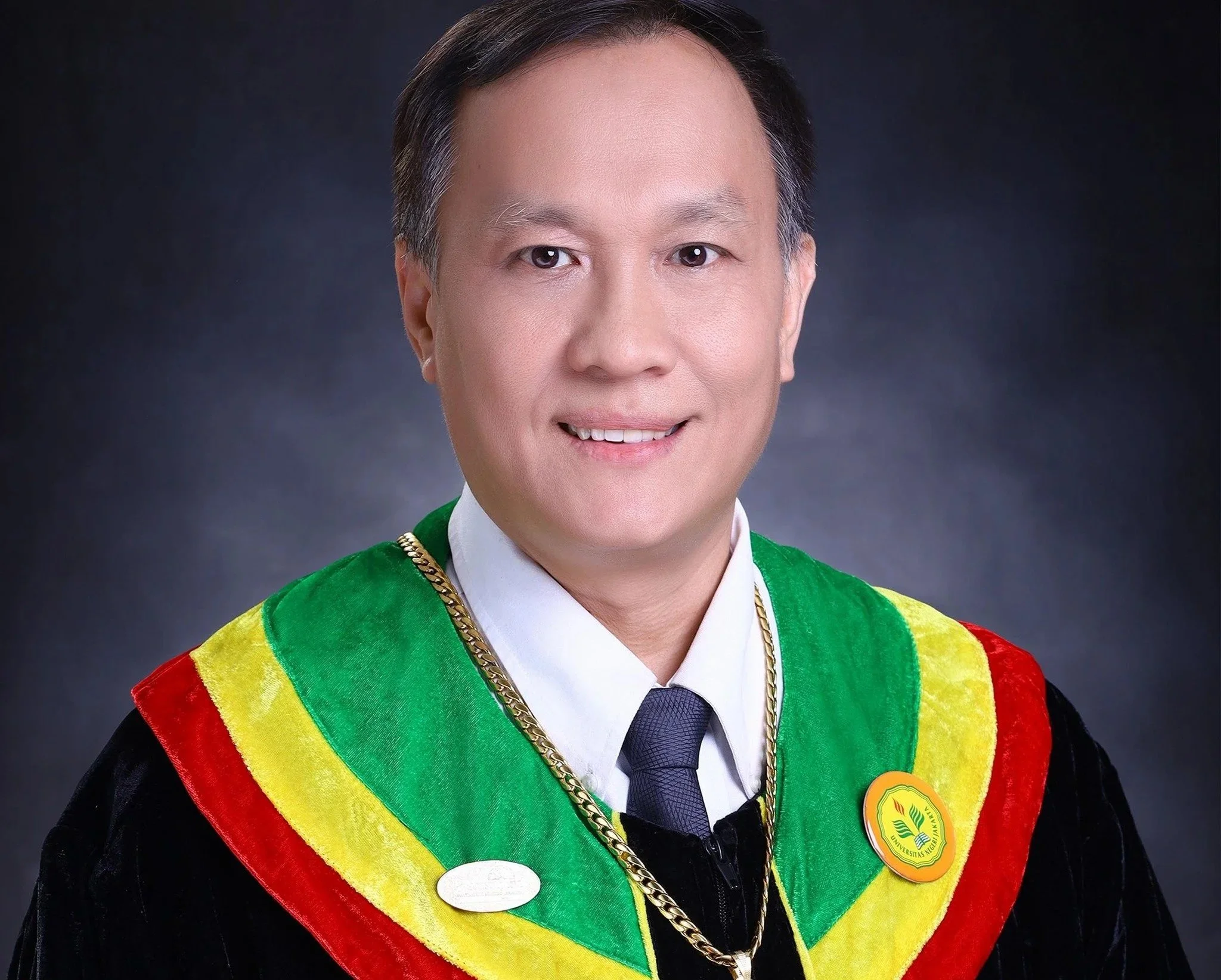
Dr. Jerome A. Porto
Co-Editor-in-Chief for Editorial
University of Santo Tomas, Philippines -

Dr. Cuauhtemoc Carboni
Journal Advisory Board Member
California, U.S.A. -

Dr. Yongho Lee
Associate Editor/Adapted Physical Education (APE)
Seoul National University, South Korea -
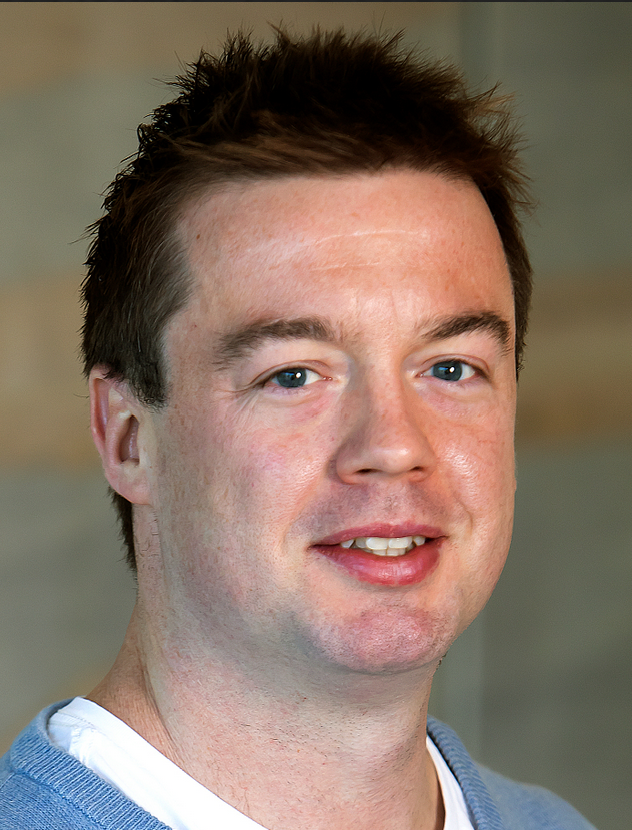
Dr. Simon Quick
Associate Editor/Coaching
University of Essex, UK -
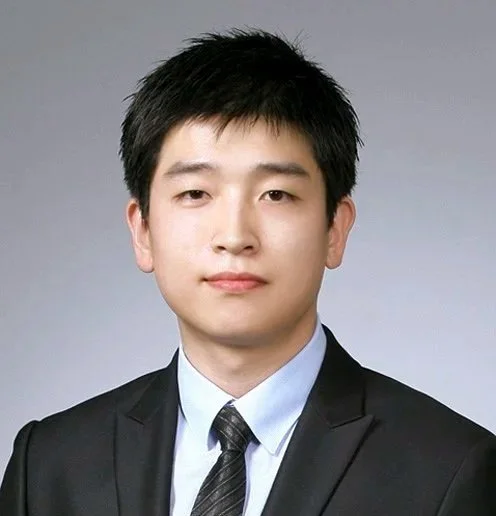
Dr. Hyeonho Yu
Associate Editor/Instructional Technology & AI, Ball State University, U.S.A.
-
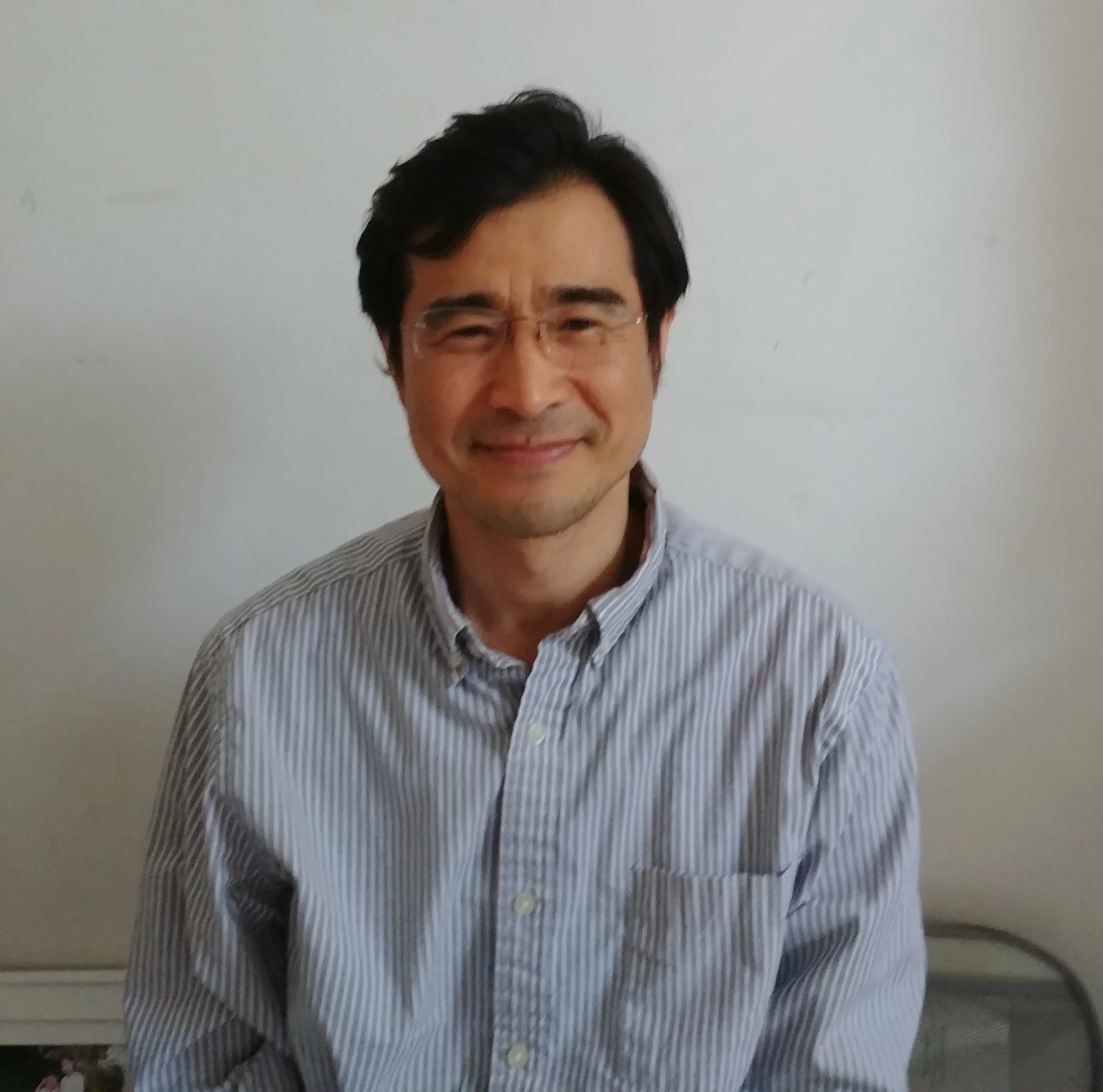
Dr. Meungguk Park
Associate Editor/Sport Management
Southern Illinois University, U.S.A. -

Dr. Sang Ouk Wee
Associate Editor/Exercise Physiology
California State University, San Bernardino, U.S.A. -
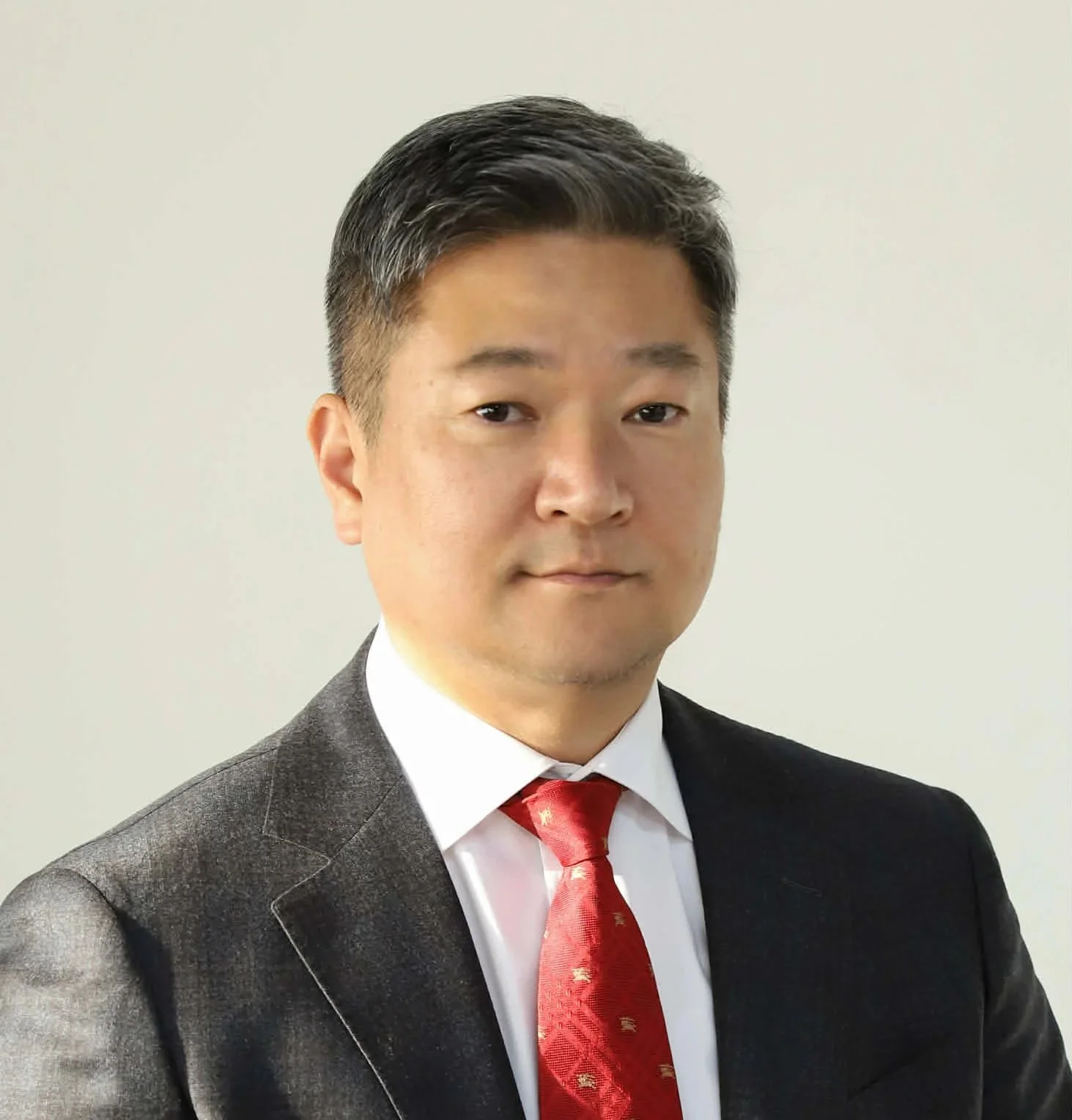
Dr. Sungje Park
Associate Editor/Sport Information & Technology, Chung-Ang University, Korea
-
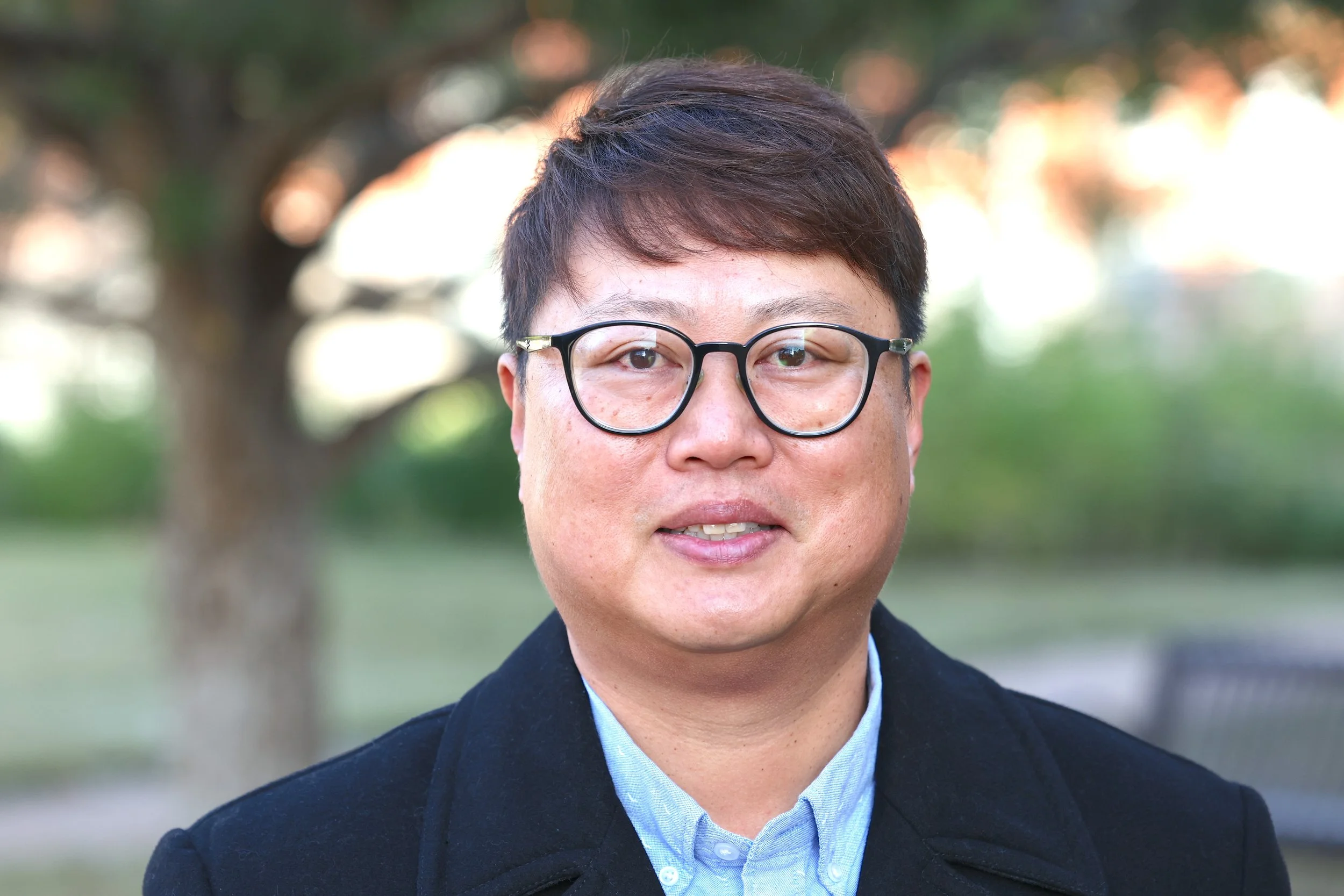
Dr. Yunsuk Koh
Editorial Board Member & IOHSK Vice President for International Research Development & Collaboration, Baylor University, Texas, U.S.A.
-
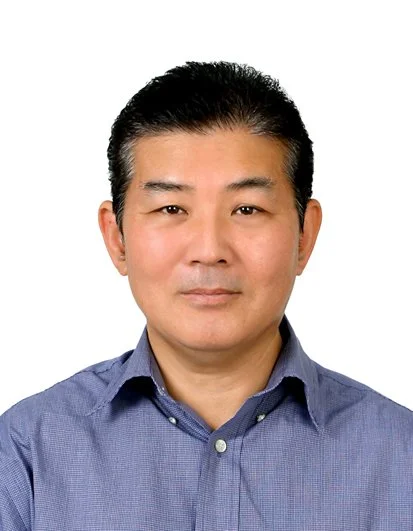
Dr. Boung Jin Kang
Section Editor/Sport Pedagogy
Elizabeth City State University, U.S.A. -

Dr. Tina Gaa-Pulley
Peer Reviewer
Rockhurst University, Kansas, Missouri, U.S.A. -

Dr. Emmanuel Ciolac
Peer Reviewer
São Paulo State University (UNESP), Brazil -

Dr. Gabriela Tomescu
Peer Reviewer
Ovidius University of Constanta, Romania -
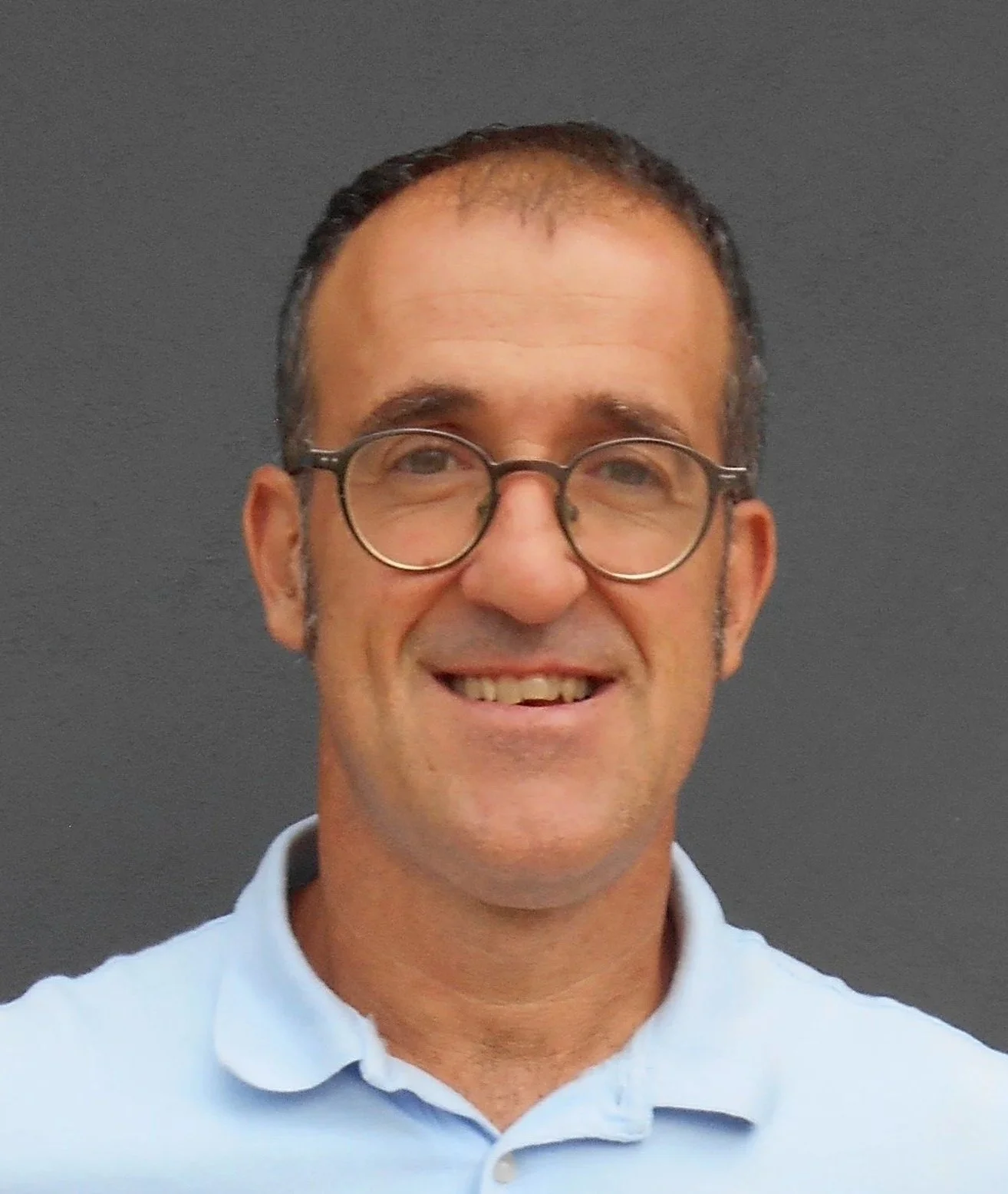
Dr. Joan Orti Ferreres
Peer Reviewer
Universitat Jaume I, Spain -
Dr. Sung-Sang Yoo
Peer Reviewer
Seoul National University, Korea -

Dr. Larysa Bakhmutova
Peer Reviewer
Ukraine -

Dr. Adam Kantanista
Peer Reviewer
Poznan University of Physical Education, Poland -
Dr. Chee Hian Tan
Editorial Board Member, Tunku Abdul Rahman University of Management & Technology, Malaysis
-

Dr. Ruben Jr Tagare
Section Editor & Peer Reviewer
University of Southern Mindanao, Philippines -

Dr. Arvin A. Andacao
Peer Reviewer
Davao Oriental State University, Philippines -

Dr. Robert Çitozi
Peer Reviewer
Sports University of Tirana, Albania -
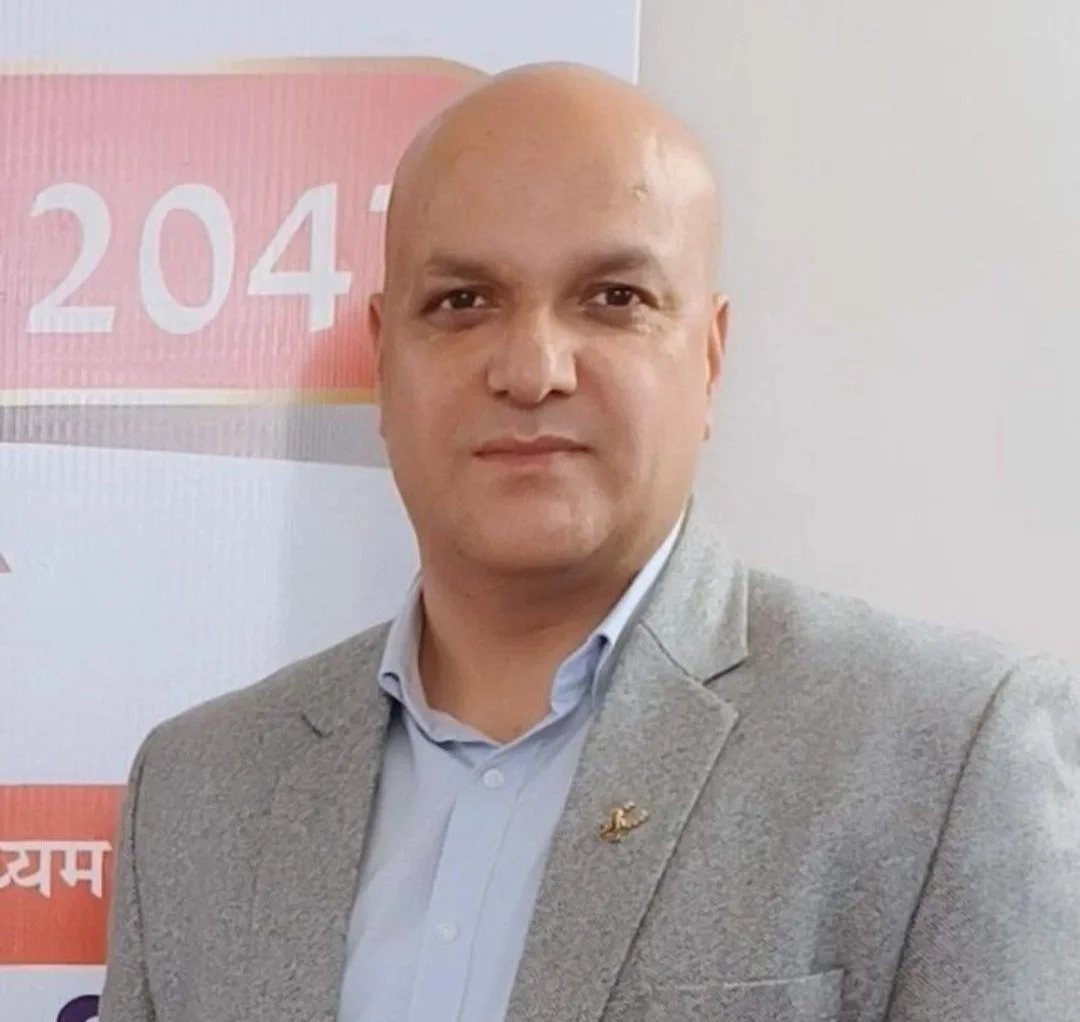
Dr. Yogesh Chander
Peer Reviewer, Sports University of Haryana, India
-

Dr. Ferman Konukman
Associate Editor/Instructional Strategies
Qatar University, Qatar -
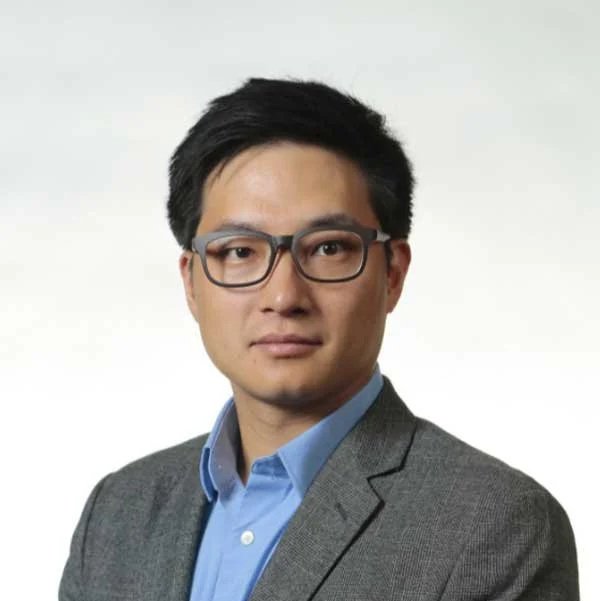
Dr. Joon Young Kim
Peer Reviewer
Syracuse University, New York, U.S.A. -

Dr. Diellza Kelmendi
Reviewer
Kosovo Olympic Committee, Kosovo -
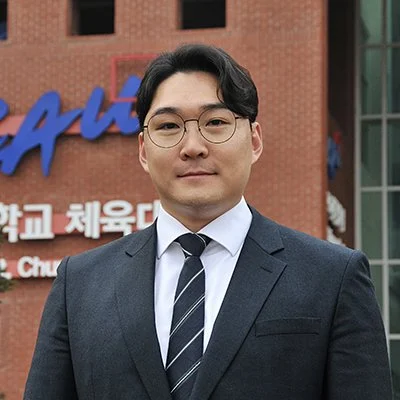
Dr. Jaewoog Lee
Peer Reviewer
Chung-Ang University, South Korea -
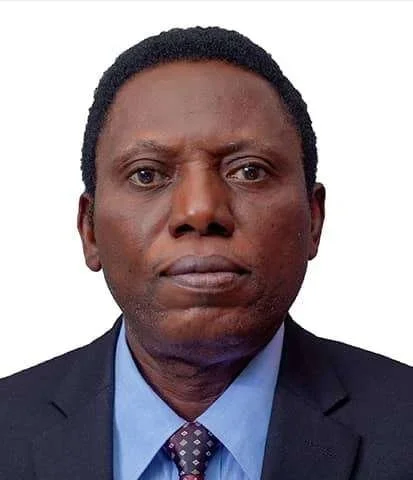
Dr. Michael Gbemisola Aina
Peer Reviewer
University of Ilorin, Nigeria -
Dr. Heesu Lee
Peer Reviewer
Gyeongin National University of Education, Korea -

Dr. Mary Lynn Verano
Peer Reviewer
University of Eastern Philippines, Philippines -
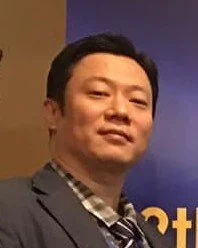
Uk Je Sung
Peer Reviewer
Coumbia University, U.S.A. -

Dr. Jaeeun Shin
Peer Reviewer
Chung-Ang University, South Korea -

Dr. Jomar B. Esto
Peer Reviewer
University of Southern Mindanao, Philippines -
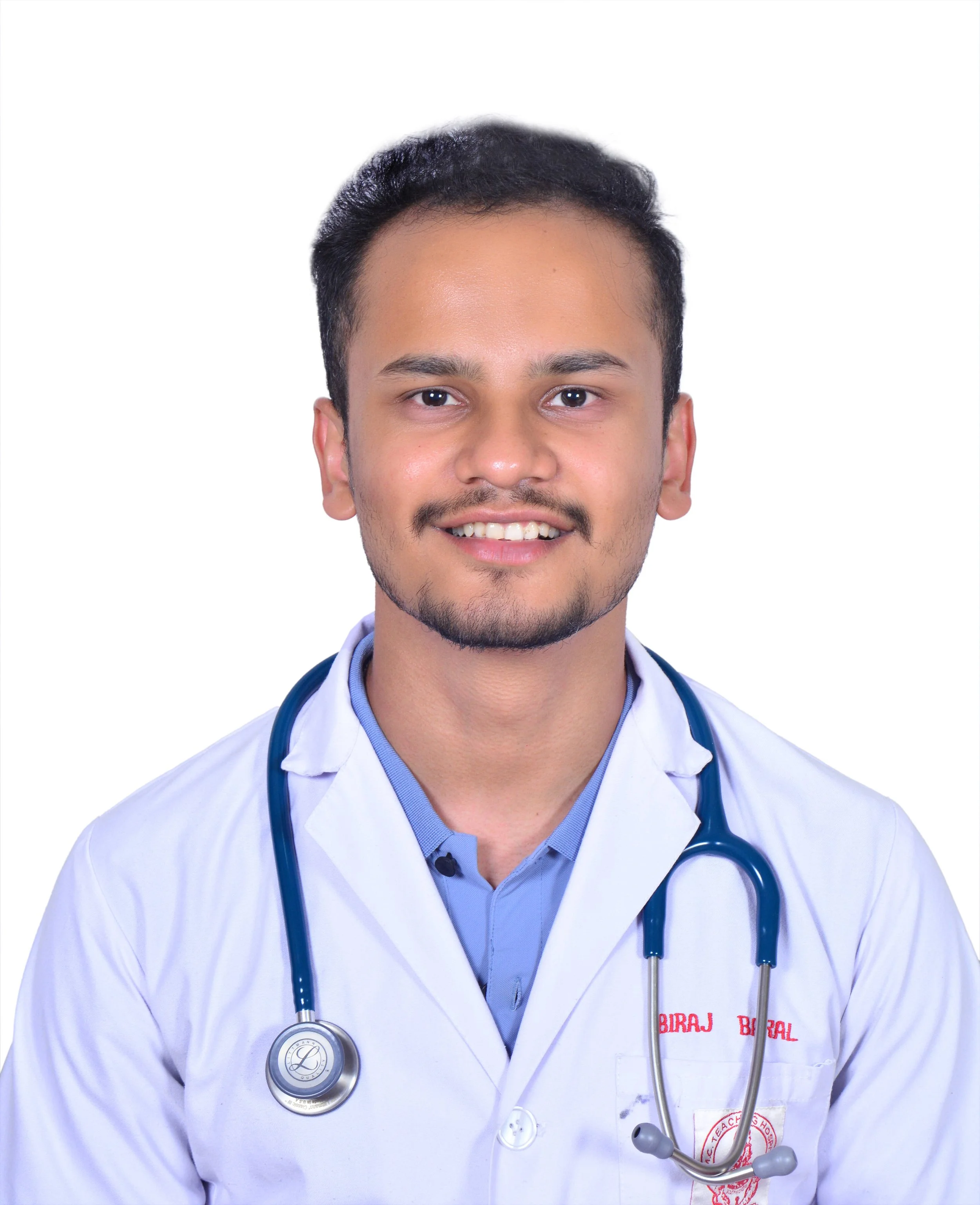
Mr. Biraj Baral
Future Professional Peer Reviewer, Kathmandu Medical College and Teaching Hospital, Nepal
-
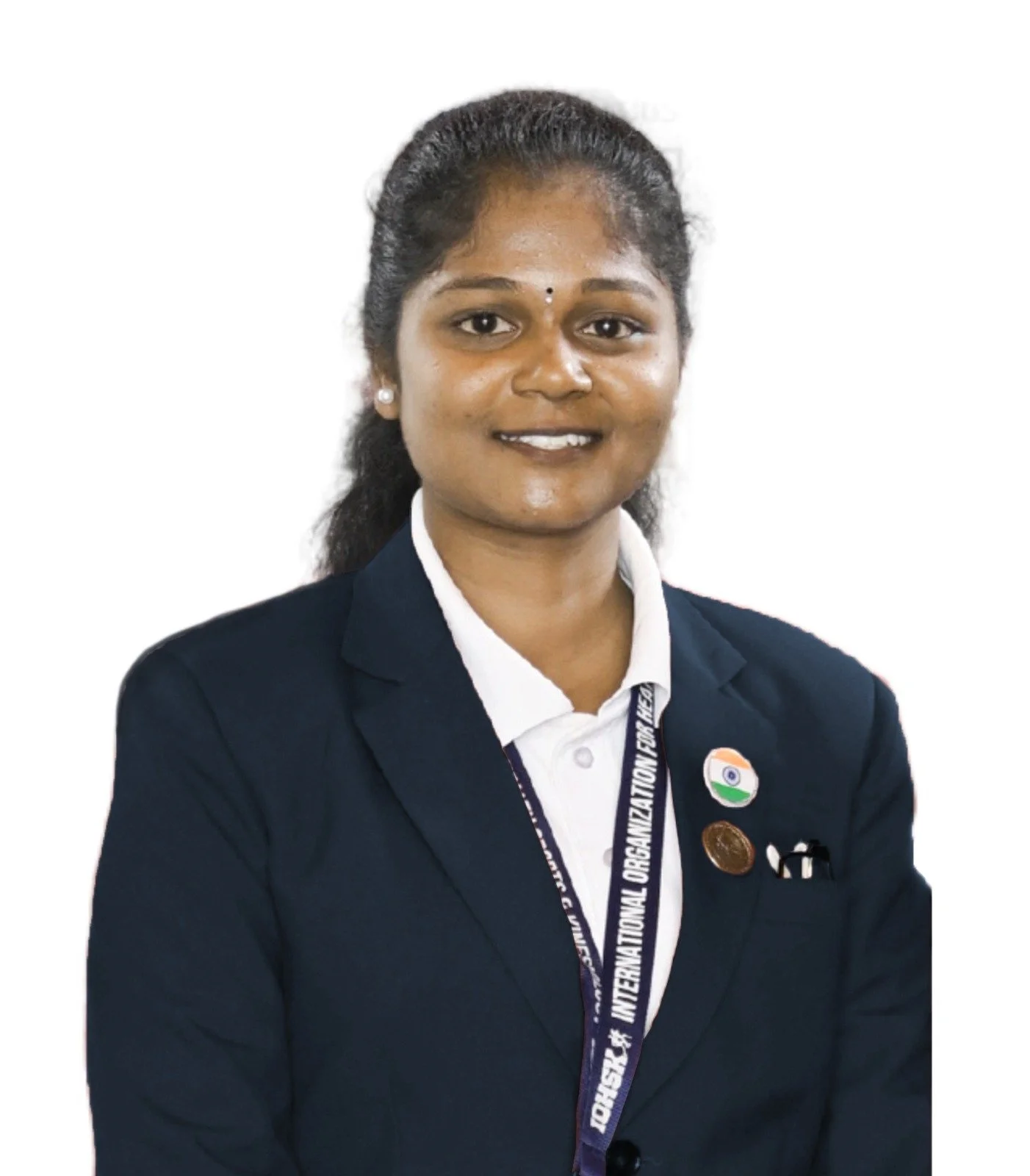
Ms. Chindhiyaa R S
Future Professional Peer Reviewer & Social Media/Marketing Director, India
-

Mr. K.M. Tha-Ha Owasif Aurnob
Future Professional Peer Reviewer, University of Chittagong, Bangladesh
-

Ms. Natasha Lazo
Social Media & Marketing Director
University of Santo Tomas, Philippines